
Snake Bite First Aid: A Comprehensive Guide (PDF Focus)
Creating a readily accessible PDF guide is crucial for wilderness preparedness, detailing essential first aid steps.
This document should emphasize avoiding harmful practices like tourniquets and pressure immobilization,
as highlighted by the Asclepius Snakebite Foundation, and prioritize safe, swift transport to medical care.
Understanding Snake Bites
A comprehensive snake bite first aid PDF must begin with a clear understanding of the incident itself. Snakebites range from ‘dry’ bites – lacking venom injection – to severe envenomations. Recognizing this distinction is vital. The PDF should detail how venom affects the body, emphasizing that immediate, incorrect actions can worsen outcomes.
It’s crucial to debunk common myths, like the dangers of pressure immobilization for viper bites, as warned by the Asclepius Snakebite Foundation. The guide should stress that prioritizing calm and rapid medical access is paramount, avoiding unverified advice from others encountered in the field.
Identifying Venomous Snakes
A snake bite first aid PDF should include a section on identification, utilizing online guides and local herpetological societies for accurate species recognition and risk assessment.
Key Characteristics of Venomous Species
A comprehensive snake bite first aid PDF must detail key venomous snake characteristics. This includes triangular heads (though not always reliable), elliptical pupils, and heat-sensing pits between the eyes, common in pit vipers.
The PDF should emphasize that coloration isn’t a definitive indicator; many non-venomous snakes mimic venomous ones. Accurate identification relies on multiple features and geographic location. Include high-quality images and links to reliable online snake identification resources, like those found on Reddit’s snake identification forum, for quick reference in the field.
Geographic Distribution of Dangerous Snakes
A vital component of a snake bite first aid PDF is mapping the distribution of dangerous species. The PDF should clearly indicate regions where pit vipers (rattlesnakes, copperheads, cottonmouths) are prevalent, as well as areas with coral snakes.
Include maps showing overlapping ranges and highlight variations in venomous snake populations across different continents. Emphasize that snake distribution can shift, and local knowledge is crucial. Link to regional herpetological societies for the most up-to-date information.
Immediate Actions After a Snake Bite
The PDF must stress remaining calm and minimizing movement after a bite. Immediately call for emergency medical help, avoiding any potentially harmful first aid practices.
Staying Calm and Minimizing Movement
The PDF should emphatically state that panic exacerbates the situation. Increased heart rate spreads venom faster.
Instruct individuals to remain as still as possible, ideally lying down with the bitten limb immobilized.
Avoid any unnecessary physical activity, including walking or attempting to “suck out” the venom –
these actions are ineffective and potentially detrimental.
The guide must clearly convey that doing nothing is often better than applying incorrect first aid,
emphasizing the importance of awaiting professional medical attention.
Calling for Emergency Medical Help
The PDF must prioritize immediate contact with emergency services (911 or local equivalent); Provide a precise location description,
including GPS coordinates if possible, to facilitate rapid response. Clearly communicate the situation – a snake bite –
and any observed symptoms. The guide should advise against delaying medical attention while attempting self-treatment.
Emphasize that antivenom administration, if needed, can only be performed in a medical facility.
Prompt professional care is paramount, and the PDF should reinforce this message repeatedly.
Do’s and Don’ts of Snake Bite First Aid
The PDF should clearly delineate safe practices from dangerous myths, specifically warning against pressure immobilization and tourniquets,
as these can worsen viper bites and potentially cause limb loss.
What NOT to Do: Debunking Myths (Pressure Immobilization, Tourniquets)
The PDF must emphatically debunk the use of pressure immobilization bandages for viper bites, including rattlesnakes, as recommended by the Asclepius Snakebite Foundation.
Applying these bandages can drastically worsen the envenomation and potentially lead to limb loss when appropriate medical intervention could have preserved it.
Furthermore, the guide should firmly discourage the application of tourniquets for any snakebite scenario.
The document needs to stress that “no first aid is often less harmful than bad first aid” when dealing with snakebites, and hikers should avoid following unverified advice.
What TO Do: Prioritizing Safe Transport
The snake bite first aid PDF should prioritize rapid and safe transport to a medical facility. Emphasize minimizing movement to reduce venom spread, but avoid delaying transport.
The guide must instruct keeping the bitten area positioned below the level of the heart, aiding in slowing venom circulation.
It’s vital to clearly state that professional medical treatment, including potential antivenom administration, is paramount.
The PDF should reinforce avoiding unverified remedies and focusing on efficient evacuation.
Wound Care and Monitoring
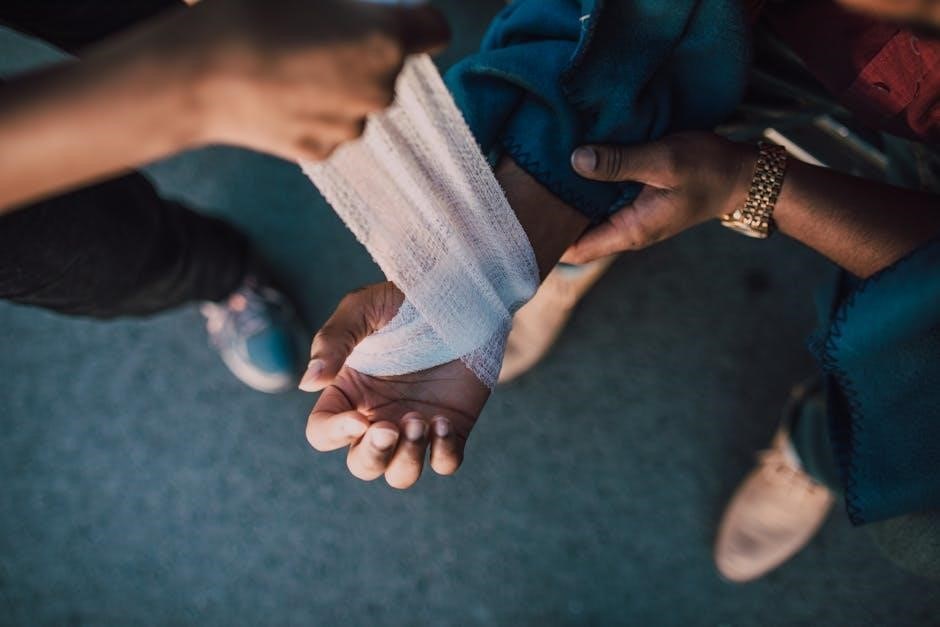
The snake bite first aid PDF must detail gentle wound cleaning, avoiding harsh scrubbing.
Continuous monitoring of vital signs – pulse and breathing – is essential until professional medical help arrives.
Cleaning the Wound (Gentle Approach)
The snake bite first aid PDF should instruct users to clean the wound with mild soap and water, if available, emphasizing a gentle approach. Avoid vigorous scrubbing, which could exacerbate tissue damage.
The primary goal is to remove surface contaminants without irritating the bite area further. Do not attempt to cut or suction the wound, as these actions are ineffective and potentially harmful.
Focus on keeping the area clean and covered with a sterile dressing until professional medical attention is received.
Monitoring Vital Signs (Pulse, Breathing)
The snake bite first aid PDF must detail the importance of continuously monitoring the victim’s vital signs. Regularly check and record pulse rate and breathing patterns, noting any changes or deterioration. Be alert for signs of shock, such as rapid pulse, shallow breathing, and dizziness.
Document these observations to provide crucial information to emergency medical personnel. This ongoing assessment helps track the envenomation’s progression and guides treatment decisions.

Symptoms of Snake Envenomation
The PDF should clearly outline local and systemic symptoms, including pain, swelling, nausea, and breathing difficulties. Recognizing these signs is vital for prompt and appropriate first aid response.
Local Symptoms (Pain, Swelling, Bleeding)
The PDF must detail immediate local reactions to envenomation. Expect intense pain at the bite site, rapidly increasing swelling extending beyond the initial puncture.
Bleeding, potentially prolonged, may occur from the fang marks.
The guide should emphasize documenting the progression of these symptoms – size and spread of swelling, color changes, and any visible bleeding – as crucial information for medical professionals.
Photographs, if safe to obtain, can be valuable diagnostic aids, but should not delay transport.
Systemic Symptoms (Nausea, Difficulty Breathing, Neurological Effects)
The PDF should clearly outline potentially life-threatening systemic effects. These include nausea, vomiting, dizziness, and difficulty breathing – indicating venom affecting vital functions.
Neurological symptoms like blurred vision, muscle weakness, or altered mental status require immediate attention.
The guide must stress that the appearance of any systemic symptom necessitates expedited transport to a hospital, as these indicate significant envenomation and require antivenom administration.
Specific First Aid Techniques (Based on Snake Type ⎻ Caution!)
The PDF must caution against varied techniques, emphasizing that general principles are paramount.
It should highlight the dangers of differing advice and reiterate that no first aid is better than incorrect aid.
Dry Bites vs. Venomous Bites
The PDF should clearly delineate between dry bites—those without venom injection—and venomous bites. While all bites require medical evaluation, understanding this distinction is vital for managing patient anxiety and resource allocation.
Emphasize that the absence of immediate, severe symptoms doesn’t negate the need for professional assessment.
Include a section detailing that even suspected dry bites warrant medical attention, as delayed envenomation is possible.
The guide must stress consistent monitoring for developing symptoms, regardless of initial presentation, and reinforce the importance of seeking expert care promptly.
Pit Viper Bites: Specific Considerations
The PDF must dedicate a section to pit viper bites (rattlesnakes, copperheads, cottonmouths), explicitly stating to never use pressure immobilization.
The Asclepius Snakebite Foundation strongly advises against this technique, as it can worsen outcomes and potentially lead to limb loss.
Detail that pit viper venom causes local tissue damage, so focus on minimizing movement and facilitating rapid transport to a medical facility equipped with antivenom.
Emphasize the importance of documenting the bite location and any observed symptoms for medical personnel.

Transporting the Victim
The PDF should detail safe transport methods, stressing efficiency and keeping the bitten area below heart level.
Prioritize rapid evacuation to a medical facility for professional care and potential antivenom administration.
Safe and Efficient Transport Methods
The snake bite first aid PDF must clearly outline optimal transportation techniques. Emphasize minimizing the victim’s physical exertion during movement, as increased activity can accelerate venom spread. Consider available resources – helicopter evacuation is ideal when feasible, but ground transport is often necessary.
Detail how to properly support and immobilize the affected limb during transport. The PDF should also stress the importance of continuous monitoring of vital signs throughout the evacuation process, preparing for potential complications en route to definitive medical care.
Keeping the Bite Area Below Heart Level
The snake bite first aid PDF should explicitly instruct keeping the bitten extremity below the level of the heart. This simple yet crucial step helps to slow venom circulation, reducing its systemic spread.
Illustrate with diagrams how to properly position the limb during transport, utilizing available materials for support. The PDF must caution against elevating the bite area, as this could inadvertently accelerate venom distribution throughout the body, potentially worsening the envenomation’s effects.
Importance of Professional Medical Treatment
The PDF must stress that first aid is merely a stopgap; prompt antivenom administration and comprehensive supportive care in a hospital setting are vital for recovery.
Antivenom Administration
The PDF should clearly explain that antivenom is the definitive treatment for venomous snake bites, but its administration must occur within a qualified medical facility. It’s crucial to emphasize that field administration of antivenom is not recommended due to potential adverse reactions and the need for careful monitoring.
The guide should detail that antivenom works by neutralizing the venom’s toxins, but it doesn’t reverse existing tissue damage. Prompt administration significantly improves outcomes, minimizing long-term complications. The PDF must also state that antivenom type is specific to the snake species involved, necessitating accurate identification whenever possible.
Supportive Care in a Hospital Setting
The PDF must detail the comprehensive supportive care provided in a hospital following a snakebite. This includes continuous monitoring of vital signs – pulse, breathing, and blood pressure – alongside fluid resuscitation to combat shock. Pain management is also critical, utilizing appropriate analgesics.
Wound care will involve meticulous cleaning and observation for signs of infection. The guide should emphasize the importance of tetanus prophylaxis and potential surgical intervention for severe envenomation. Close observation for compartment syndrome and neurological complications is essential for optimal patient recovery.

Preventing Snake Bites
The PDF should dedicate a section to preventative measures, including hiking safety precautions and home/garden awareness.
Staying on marked trails and wearing appropriate footwear are vital for minimizing risk.
Hiking Safety Precautions
The PDF must detail crucial hiking safety protocols. Stick to well-maintained trails, avoiding overgrown areas where snakes may hide. Wear sturdy hiking boots and long pants for leg protection. Be mindful of where you place your hands and feet, especially when climbing over rocks or logs.
Avoid disturbing rocks or vegetation unnecessarily. Scan the trail ahead, and listen for rattles or other warning signs. Hike with a buddy, and carry a fully stocked first aid kit, including snake bite specific information. Educate yourself on local venomous species before venturing out.
Home and Garden Safety
The PDF should emphasize preventative measures around homes and gardens. Keep grass short, remove piles of wood or debris, and eliminate potential snake hiding places. Seal cracks in foundations and around pipes. Be cautious when reaching into areas you cannot see, like under bushes or decks.
Consider snake-proof fencing, especially if living in a known snake habitat. Wear gloves when gardening. Educate family members, particularly children, about snake safety and what to do if they encounter one. Discourage attracting rodents, a snake food source.
Snake Bite First Aid Kit Contents
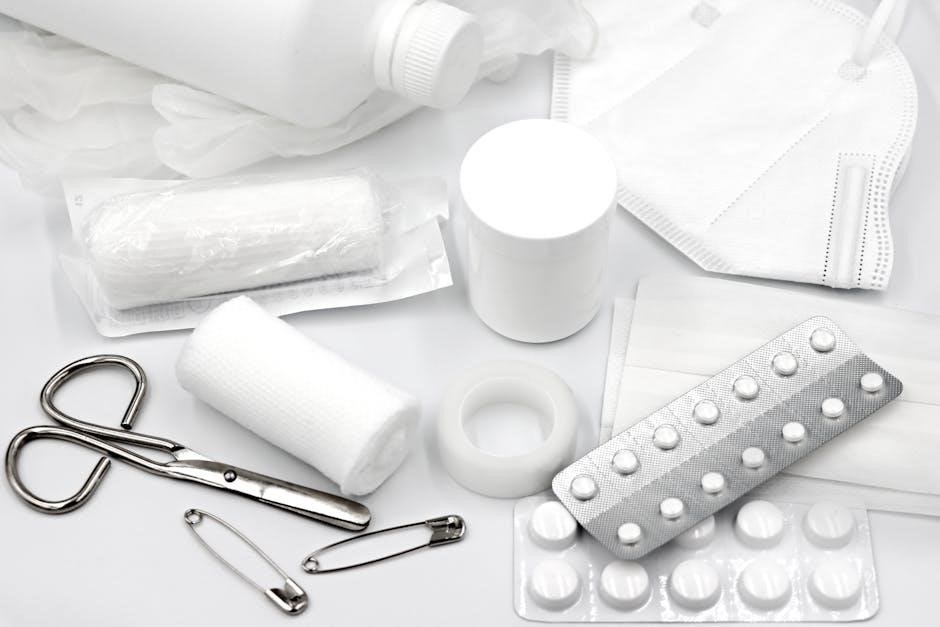
The PDF must detail essential kit items: bandage, antiseptic wipes, pain relievers, and emergency contact information.
Include a snake identification guide and emphasize that the kit supports, but doesn’t replace, professional care.
Essential Items to Include
A comprehensive snake bite first aid PDF should list vital components for immediate response. This includes a non-constricting bandage for wound care, antiseptic wipes for cleaning, and pain relievers for symptom management.
Crucially, incorporate a high-quality snake identification guide – potentially a laminated card – to aid in species recognition.
Also essential are emergency contact details, including local poison control and ambulance services.
A small notebook and pen for documenting details, like time of bite and snake appearance, are valuable.
Finally, emphasize that this kit is a temporary measure until professional medical attention is received.
Maintaining Your First Aid Kit
A snake bite first aid PDF must stress regular kit maintenance. Check expiration dates on all medications and antiseptic wipes at least twice yearly, replacing expired items promptly. Inspect bandages for damage or contamination, ensuring they remain clean and sterile.
Periodically review the snake identification guide to refresh knowledge of local venomous species. Ensure all items are securely stored in a waterproof container to protect against environmental damage. Regularly update emergency contact information, and consider a refresher course on first aid procedures.

Resources for Snake Identification
A comprehensive PDF should link to online guides and local herpetological societies, like those found on Reddit’s r/SnakeIdentification,
for accurate species identification post-bite, aiding appropriate first aid.
Online Snake Identification Guides
A vital component of your snake bite first aid PDF is a curated list of reliable online resources. These guides, such as those actively maintained on Reddit’s r/SnakeIdentification, empower individuals to attempt preliminary species identification. Accurate identification, coupled with geographic location, is crucial for informing medical professionals about potential venom types.
The PDF should emphasize the importance of submitting clear photos to these online communities for expert verification. However, it must also strongly caution against delaying medical attention while attempting identification; professional assessment remains paramount.
Local Herpetological Societies
Your comprehensive snake bite first aid PDF should include a section dedicated to local herpetological societies. These organizations, comprised of reptile and amphibian experts, offer invaluable regional knowledge regarding venomous snake distribution and identification. Listing contact information for these societies provides a resource for verifying snake species post-incident and accessing localized expertise.
The PDF should stress that these societies are not emergency services, but rather supplementary resources for education and identification assistance. Encourage readers to prioritize immediate medical attention alongside seeking expert confirmation.
Creating a Snake Bite First Aid PDF
A well-structured PDF should prioritize clarity and accessibility, incorporating vital information like avoiding tourniquets and pressure immobilization,
emphasizing safe transport, and including resources for snake identification.
Information to Include in Your PDF
Your snake bite first aid PDF must be comprehensive and easy to understand. Include detailed instructions on immediate actions – staying calm, calling for help – and crucial “do’s and don’ts”.
Specifically, emphasize avoiding pressure immobilization and tourniquets, as advised by the Asclepius Snakebite Foundation, as these can worsen viper bites.
Detail wound care, symptom recognition (local and systemic), and safe transport methods.
Add sections on identifying venomous snakes, utilizing online guides, and contacting local herpetological societies.
Finally, clearly state the importance of professional medical treatment, including antivenom administration and supportive hospital care.
Formatting for Clarity and Accessibility
Ensure your snake bite first aid PDF is visually clear and easily navigable. Utilize headings, subheadings, and bullet points for quick information access. Employ a readable font size and ample white space to reduce eye strain.
Incorporate images or diagrams illustrating proper wound care and identifying venomous snakes. Prioritize concise language, avoiding medical jargon. Consider including a checklist for essential first aid kit contents. Finally, optimize the PDF for mobile viewing, ensuring accessibility on smartphones and tablets for wilderness use.
Legal Considerations and Liability
Your PDF should briefly mention Good Samaritan Laws, offering legal protection during emergency aid. Include a disclaimer stating first aid isn’t a substitute for professional medical attention.
Good Samaritan Laws
Your snake bite first aid PDF should acknowledge Good Samaritan Laws, which generally offer legal protection to individuals providing reasonable assistance to those in distress. These laws vary by location, but typically shield helpers from liability if they act in good faith, without gross negligence, and within the scope of their training.
However, the PDF must clearly state that this information isn’t legal advice. It’s crucial to emphasize that providing aid doesn’t guarantee immunity from lawsuits, and individuals should be aware of the specific laws in their region. A disclaimer is essential, advising readers to consult with legal counsel for specific guidance.
Documentation of First Aid Provided
Your snake bite first aid PDF should strongly recommend detailed documentation of all actions taken. This includes the time of the bite, the snake’s appearance (if possible, without risking further injury), symptoms observed, and all first aid measures administered.
Accurate records are vital, potentially assisting medical professionals and offering legal protection. The PDF should include a sample documentation form, outlining key information to record. Emphasize the importance of objectivity and avoiding assumptions; simply state facts observed during the incident.

Long-Term Effects of Snake Bites
The PDF must address potential complications, including tissue damage, chronic pain, and psychological trauma. Rehabilitation information and resources should be included for comprehensive post-bite care.
Potential Complications
The snake bite first aid PDF should thoroughly detail potential long-term complications arising from envenomation. These can range from localized tissue necrosis, potentially requiring skin grafts or even amputation in severe cases, to systemic issues affecting the cardiovascular and neurological systems.
Chronic pain syndromes are frequently reported, alongside psychological trauma like PTSD due to the frightening nature of the event. The PDF must emphasize the importance of ongoing medical monitoring to detect and manage these delayed effects, ensuring optimal patient recovery and quality of life.
Rehabilitation and Recovery
The snake bite first aid PDF should outline a comprehensive rehabilitation process, acknowledging that recovery isn’t solely about initial treatment. Physical therapy is often vital to regain full range of motion, particularly after tissue damage or prolonged immobilization.
Psychological support is equally crucial, addressing potential trauma and anxiety. The PDF should detail resources for both physical and mental health, emphasizing a holistic approach to recovery and long-term well-being, ensuring patients regain functionality and confidence post-incident.