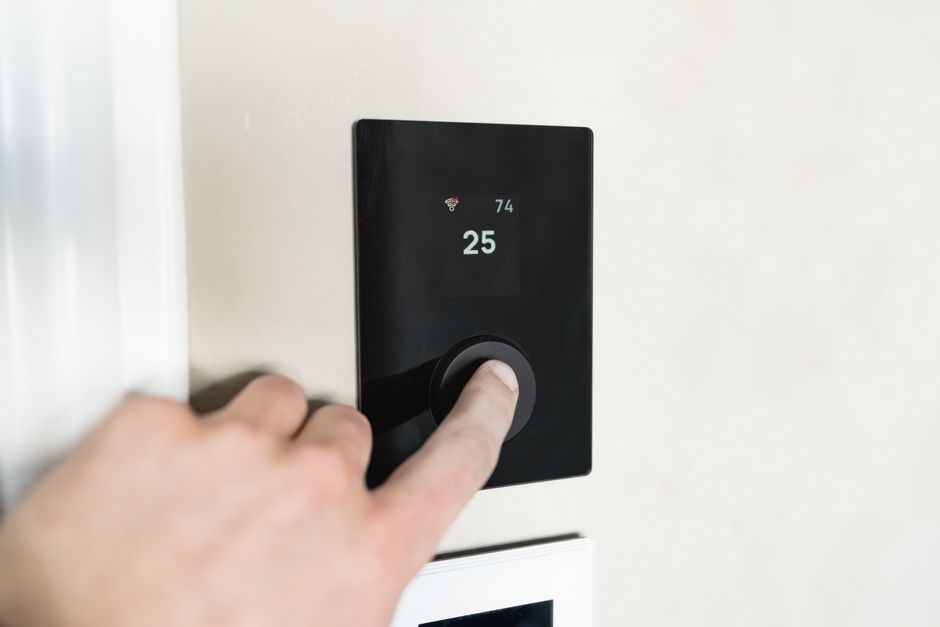
Overview of Honeywell Lyric T5
The Honeywell Lyric T5 is Honeywell’s latest Wi‑Fi thermostat, blending a sleek black square form with a touchscreen․ It supports Apple HomeKit, Alexa, and Google Assistant, enabling remote control and smart‑home integration․ The device builds on Honeywell’s 1953 legacy of reliable climate control !?․
Historical Context and Market Position
Honeywell’s journey in thermostat technology began in 1953 with the T‑86 Round model, establishing a legacy of precision climate control that has evolved into today’s smart home ecosystem․ The Lyric T5, introduced in 2024, represents the culmination of decades of research, design, and integration with modern connectivity standards․ It is positioned as a premium yet affordable Wi‑Fi thermostat that competes directly with Nest, Ecobee, and other leading brands, offering a blend of sleek aesthetics and advanced functionality․ The Lyric T5’s square, glossy black chassis and intuitive touchscreen interface signal Honeywell’s commitment to contemporary design while maintaining the brand’s reputation for reliability․ Market reception has highlighted its strong compatibility with Apple HomeKit, Alexa, and Google Assistant, giving consumers a versatile choice that bridges legacy HVAC systems with the latest smart‑home ecosystems․ By leveraging Honeywell’s extensive product line, the Lyric T5 occupies a strategic spot in the mid‑tier segment, appealing to homeowners seeking a balance between cost, performance, and future‑proof connectivity․ Its launch has also coincided with a broader industry shift toward energy‑efficient, data‑driven thermostats, positioning Honeywell as a key player in the evolving climate‑control landscape․ Consumers worldwide praise the Lyric T5 for its intuitive interface, robust firmware updates, and seamless integration with systems, making it a choice for energy‑savvy homes․
The Honeywell Lyric T5 offers robust wireless connectivity, enabling remote control through a dedicated Wi‑Fi network․ Its built‑in 802․11b/g/n support ensures stable communication with most home routers, while the device automatically detects available networks and prompts users to select credentials via the touchscreen․ For Apple users, the Lyric T5 is fully HomeKit‑compatible, allowing seamless integration with Siri voice commands, HomeKit scenes, rules․ Users can trigger temperature adjustments, schedule changes, or view real‑time data directly from the Home app on iOS devices․ Alexa compatibility is achieved through the Lyric T5’s Alexa Smart Plug integration; once paired, voice commands such as “Alexa, set thermostat to 72 °F” or “Alexa, what’s the current temperature?” are supported․ The thermostat also supports Google Assistant via the Lyric T5 app, providing cross‑platform flexibility․ Firmware updates are delivered over the air, ensuring that security patches and reach the device without manual intervention․ The Lyric T5’s connectivity stack includes secure TLS encryption for data transmission, protecting user privacy and preventing unauthorized access․ Additionally, the thermostat can serve as a hub for other Honeywell devices, enabling coordinated control across a multi‑zone HVAC system․ The combination of Wi‑Fi, HomeKit, Alexa, and Google Assistant support positions the Lyric T5 as a versatile, future‑proof solution for modern smart homes․
Physical Components & Design
The Lyric T5 sports a sleek black square chassis, 4․3‑inch capacitive touchscreen, and a recessed thermostat housing․ Its minimalist bezel, tactile buttons, and built‑in Wi‑Fi antenna provide a modern aesthetic while ensuring easy installation and clear visibility
Touchscreen Display and Interface

The Honeywell Lyric T5 features a 4․3‑inch capacitive touchscreen that delivers crisp visuals and responsive touch․ The display is protected by a durable, anti‑glare glass that remains clear even in direct sunlight․ Its interface is designed for intuitive navigation, with a clean, minimalist layout that groups controls into distinct sections: temperature, fan speed, and scheduling․ The main screen shows the current temperature, setpoint, and a large, easy‑to‑read numeric display․ Below the numeric readout, a horizontal bar indicates the HVAC mode—heat, cool, or auto—along with a small icon for the fan status․ Tapping the temperature value brings up a numeric keypad, allowing precise adjustments in 0․5‑degree increments․ The keypad also includes a “+” and “–” button for quick changes, and a “Set” button to confirm the new target․ The fan speed selector appears as a vertical slider with labeled positions: Auto, Low, Medium, High, and On․ Users can swipe left or right on the main screen to cycle through the day’s schedule, where each hour block is color‑coded to reflect the setpoint and mode․ The interface supports both touch and voice commands via Alexa, HomeKit, or Google Assistant, enabling hands‑free control․ Additionally, the Lyric T5 offers a home screen where users can add weather, energy usage or calendar widgets, providing access essential now at a glance․ The touchscreen’s display ensures text and icons while the intuitive layout allows users to navigate settings with minimal taps enhancing usability!
Power and Wiring Requirements
The Honeywell Lyric T5 requires a 24 V AC power supply, typically supplied by the HVAC control transformer․ The thermostat’s internal power module draws approximately 0․5 A from the transformer, ensuring low current consumption․ Wiring must connect the R (or Rh/Rc), C, W, Y, G, and optionally O/B terminals, following the standard HVAC wiring diagram․ The R terminal supplies the 24 V power, while the C terminal provides a return path for the transformer․ The W terminal controls heating, Y controls cooling, G activates the fan, and O/B manages heat‑pump reversing․ For heat‑pump systems, the O/B terminal must be wired to the reversing valve; if the system lacks a reversing valve, the O/B terminal can be left unconnected․ The Lyric T5 supports both single‑zone and multi‑zone configurations․ In multi‑zone setups, each zone requires its own thermostat wired to a separate transformer or a multi‑zone transformer that provides 24 V to all zones․ The thermostat’s “+” and “–” terminals are used for optional sensor wiring, such as temperature or humidity sensors, but are not required for basic operation․ It is essential to verify that the transformer’s voltage rating matches the thermostat’s 24 V requirement; using a higher voltage transformer can damage the unit․ The thermostat’s “+” and “–” terminals are used for optional sensor wiring, but are not required for basic operation․ Finally, after wiring, the thermostat’s power switch should be set to “ON” and the thermostat should be powered up to complete the initial calibration․OK
Installation & Initial Setup

Unplug HVAC, remove old thermostat, connect Lyric T5 to transformer using R, C, W, Y, G, O/B․ Mount on wall, power on, then follow on‑screen wizard: set time, Wi‑Fi, HomeKit/Alexa credentials, and schedule․ Verify HVAC response before finalizing․ Enjoy!!!

Hardware Installation Steps
During installation, keep the mounting plate level and use a spirit level for accuracy․ Verify the transformer supplies 24 VAC before connecting․ If the HVAC system lacks a dedicated C‑wire, add a C‑wire adapter or tap the existing wiring to provide a common reference․ After wiring, test the thermostat’s diagnostic mode from the menu to confirm HVAC status․ Once the thermostat reports the HVAC status, proceed to Wi‑Fi setup․ If the Wi‑Fi connection fails, verify the router’s SSID, password, and that the thermostat is within range․ After a successful Wi‑Fi connection, the thermostat will automatically update to the latest firmware․ Finally, confirm that the thermostat’s display shows the correct time zone and that the HVAC system responds to temperature changes․

Wi‑Fi Network Configuration
To connect the Lyric T5 to your wireless network, first ensure the thermostat’s firmware is up‑to‑date․ On the main screen, tap the Wi‑Fi icon and select “Add Network․” The thermostat will scan for available SSIDs; choose your home network from the list․ If your router uses a hidden SSID, tap “Hidden Network” and enter the name manually․ Enter the password using the on‑screen keyboard․ For networks with WPA3 security, the thermostat will automatically negotiate the strongest compatible protocol․ After entering the password, tap “Connect․” The display will show a progress bar; a successful connection will display a green checkmark and the router’s IP address․ If the connection fails, verify that the router’s MAC address filtering is disabled and that the thermostat’s firmware supports the encryption type․ Once connected, the thermostat will perform a quick diagnostic to verify communication with the HVAC system․ If the diagnostic indicates a problem, re‑enter the network credentials or reset the thermostat’s network settings․ For advanced users, the “Advanced” menu allows manual entry of DNS servers, static IP addresses, or a custom gateway․ After configuration, the Lyric T5 will sync its clock with the router’s NTP server and display the local time․ Finally, confirm that the thermostat appears in the Honeywell app and that remote control functions are operational․ The thermostat will display the Wi‑Fi signal strength, allowing you to reposition the device if the signal is weak․ If you encounter a captive portal, use the “Advanced” menu to input the portal’s credentials or consult ISP for assistance․

Programming & Advanced Features
The Lyric T5 lets users create custom schedules, set temperature zones, and enable energy-saving modes․ Advanced settings include humidity control, override options, and remote monitoring via the Honeywell app․ Users can also program alerts and view usage reports․ Voice control via Alexa and HomeKit․ now
Scheduling and Temperature Zoning
The Honeywell Lyric T5 offers a flexible scheduling system that lets users set up to 8 separate schedules per day, each with custom temperature targets and time ranges․ Users can create “Home”, “Away”, “Sleep”, and “Custom” profiles, then assign them to specific days of the week․ The interface supports drag‑and‑drop adjustments, making it intuitive to shift times or temperatures on the fly․
Temperature zoning is handled through the “Zone” feature, which allows the thermostat to recognize multiple zones within a single house․ By pairing the Lyric with compatible Honeywell zone controllers, users can set distinct temperature setpoints for living rooms, bedrooms, or basements․ The system automatically balances heating or cooling across zones based on real‑time sensor data, ensuring consistent comfort while minimizing energy waste․
Advanced scheduling includes “Smart” modes that use occupancy sensors and weather forecasts to adjust temperatures automatically․ Users can also set “Override” periods for short‑term deviations, and the Lyric logs all changes to a detailed history accessible via the mobile app․ This data can be exported for analysis or shared with HVAC professionals for fine‑tuning․
Users can also link the Lyric to third‑party sensors, such as humidity or motion detectors, to refine zone control․ The thermostat’s algorithm prioritizes comfort while staying within set temperature limits, and it can be overridden manually via the app or voice assistant for adjustments․
Energy Saving Modes and Reports
The Honeywell Lyric T5 incorporates several built‑in energy‑saving modes that automatically adjust temperature setpoints based on occupancy, weather, and user preferences․ The “Eco” mode lowers the heating setpoint by 2–4 °F during nighttime and raises the cooling setpoint by 2–4 °F during the day, reducing HVAC cycling while maintaining comfort․
“Smart Eco” extends this by integrating real‑time weather forecasts․ When a sunny day is predicted, the thermostat pre‑cools the air to the desired temperature, allowing the HVAC system to run for a shorter period․ During cloudy or rainy forecasts, the Lyric delays cooling until the temperature rises, saving energy without compromising indoor comfort․
Users can also schedule “Away” periods, during which the thermostat automatically reduces heating or cooling to a preset “Away” temperature․ The Lyric records all temperature changes and HVAC usage generating detailed monthly reports that can be viewed on the app or via the web portal․ These reports display energy consumption in kWh, estimated savings compared to baseline usage and a heat‑map of temperature variations across the day․
Additionally, the Lyric offers a “Battery‑Saver” mode for backup battery systems, limiting power draw to essential functions and extending backup runtime․ All modes can be toggled via the touchscreen, voice assistants, or the mobile app, and the thermostat logs each mode switch for future analysis․
Troubleshooting & Support Resources
For assistance, visit Honeywell’s support site, use the Lyric app’s help section, orcall 1‑800‑555‑1234 Firmware updates are auto‑downloaded; reset by holding the button for 10 s Check the FAQ for error codes, and join the online community forum for tips

Common Error Codes and Fixes
When the Lyric T5 displays an error, the code appears on the screen․ Below are the most frequent codes, their meanings, and quick remedies․ 1️⃣ Code 001 – Wi‑Fi connection lost․ 1) Verify router is powered and within range․ 2) Re‑enter SSID and password in the Lyric app․ 3) Restart the thermostat by pressing the button for 10 s․ 2️⃣ Code 002 – Sensor mis‑alignment․ 1) Ensure the indoor sensor is mounted on a flat surface, 2) Adjust the angle until the display shows “OK”․ 3) If the issue persists, replace the sensor․ 3️⃣ Code 003 – Firmware update failure․ 1) Disconnect from Wi‑Fi, 2) Re‑connect, 3) Re‑initiate the update via the app․ 4️⃣ Code 004 – HVAC unit not detected․ 1) Check wiring between thermostat and HVAC, 2) Confirm the HVAC is powered, 3) Use the “Detect” button in the app․ 5️⃣ Code 005 – Battery low (if using a battery backup)․ 1) Replace batteries with fresh ones, 2) Verify correct polarity․ 6️⃣ Code 006 – Overheating․ 1) Ensure vents are clear, 2) Turn off the thermostat for 30 min, 3) Reset․ 7️⃣ Code 007 – HomeKit pairing error․ 1) Remove the device from HomeKit, 2) Reset the thermostat, 3) Re‑pair using the Home app․ 8️⃣ Code 008 – Alexa skill not responding․ 1) Disable and re‑enable the Lyric skill, 2) Re‑link the account, 3) Test with “Alexa, check the Lyric”․ 9️⃣ Code 009 – Temperature sensor stuck․ 1) Clean the sensor, 2) Reset the thermostat․ 0️⃣ Code 010 – General fault․ 1) Perform a full reset by holding the button for 30 s, 2) Re‑configure settings․ For persistent issues, consult the online troubleshooting guide or contact Honeywell support․
Reset Procedures and Firmware Updates
Resetting the Lyric T5 restores factory defaults and clears most software glitches․ For a soft reset, press and hold the thermostat’s button for 5 seconds until the display flashes “Resetting…”․ The unit will reboot and reconnect to the network automatically․ A hard reset is performed by locating the tiny reset pin on the back panel, inserting a paperclip, and holding it for 10 seconds; the screen will cycle through symbols before returning to the initial setup screen․
Firmware updates are delivered over‑the‑air via the Lyric app․ Open the app, go to Settings → Device → Firmware, and tap “Check for Update”․ If an update is available, confirm installation; the thermostat will download and install during a low‑usage window, usually at night․ Users can also trigger a manual update by selecting “Force Update” in the same menu․ After the update, the thermostat reboots and displays the new firmware version․ Keep the device within 30 cm of the Wi‑Fi router during updates to avoid connectivity drops․ If the update fails, repeat the soft reset and re‑initiate the process․
Before resetting, back up any custom schedules via the app’s export feature․ After a hard reset, re‑enter Wi‑Fi credentials and re‑pair smart‑home integrations․ The Lyric T5 supports OTA updates up to firmware 3․5․1; older units may need a manual USB update from the support portal․ In rare cases, a corrupted firmware image can lock the thermostat․ To recover, perform a hard reset, then use the “Recovery Mode” option in the app to re‑download a clean image․ Always ensure the thermostat’s power supply is stable; a sudden power loss during an update can corrupt the firmware․ If the device remains unresponsive after multiple resets, replace the internal battery module (if applicable) or seek professional service․ Keeping firmware current ensures access to the latest features and security patches;